
California Healthcare Certifications: Everything You Need to Know


Introduction to California Healthcare Certifications
California is home to a diverse and robust healthcare industry, offering numerous opportunities for professionals. Obtaining the right certifications is crucial for anyone looking to advance their career in this dynamic field. Certifications not only validate your skills but also enhance your credibility and employability.

Why Certifications Matter
Certifications in healthcare are a testament to a professional's expertise and commitment to maintaining high standards. They often lead to better job prospects, higher salaries, and increased job security. In a state as competitive as California, having the right credentials can set you apart from other candidates.
Benefits of Certification
The primary benefit of healthcare certifications is the validation of your skills and knowledge. They also provide opportunities for specialization, allowing professionals to focus on specific areas like nursing, medical billing, or healthcare administration. Furthermore, certifications can be a stepping stone for further education and career advancement.

Popular Healthcare Certifications in California
There are several certifications available for healthcare professionals in California, catering to different roles and responsibilities. Some of the most sought-after certifications include:
- Certified Nursing Assistant (CNA)
- Licensed Vocational Nurse (LVN)
- Registered Nurse (RN)
- Certified Medical Assistant (CMA)
- Certified Medical Billing and Coding Specialist
Specialized Certifications
Beyond general certifications, California offers specialized options for those looking to hone in on particular areas of interest. For example, certifications in gerontology or mental health can be particularly beneficial for those wanting to work with specific populations.
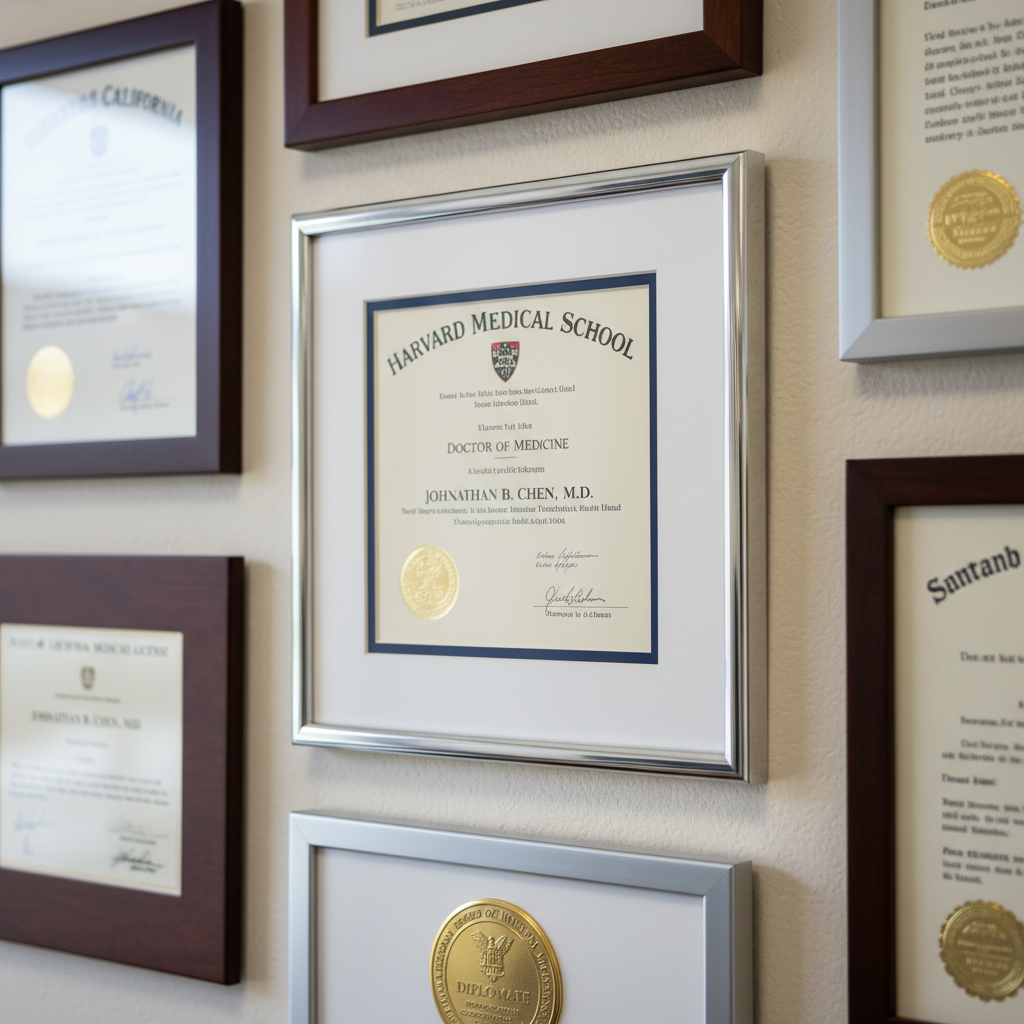
Steps to Obtain a Healthcare Certification
Obtaining a healthcare certification in California typically involves several key steps:
- Research the certification requirements specific to your area of interest.
- Enroll in an accredited program that offers the necessary training.
- Complete any required coursework and practical experience.
- Pass the certification exam.
- Maintain your certification through continuing education.
Preparing for the Exam
Preparation is crucial for success. Many professionals find that study groups, online courses, and practice exams are invaluable resources. Staying updated with the latest industry standards and practices is also essential.

Continuing Education and Recertification
Once you have obtained your certification, it is vital to maintain it through continuing education and recertification. This ensures that you stay current with the latest advancements and practices in the healthcare industry. California requires specific hours of continuing education depending on the certification.
Resources for Continuing Education
Numerous resources are available for continuing education, including online courses, workshops, and seminars. Many professional organizations offer discounted rates for their members, making it more accessible for healthcare professionals to stay informed and competitive.
In conclusion, obtaining a healthcare certification in California is a worthwhile investment in your career. It opens doors to numerous opportunities and ensures you remain a valuable asset in the ever-evolving healthcare field.