
Expert Insights: Trends in Medical Education and Training in Sacramento


Introduction to Trends in Medical Education
Medical education in Sacramento is evolving rapidly, driven by technological advancements and changing healthcare needs. As the demand for skilled medical professionals grows, educational institutions are adapting to prepare students for the challenges of modern medicine. In this blog post, we explore the latest trends shaping medical education and training in the region.
Integrating Technology in Learning
One of the most significant trends is the integration of technology in medical training. Virtual reality (VR) and augmented reality (AR) are revolutionizing how students learn anatomy and practice surgical procedures. These tools provide a safe and interactive environment for students to hone their skills without the risks associated with real-life operations.
Moreover, the use of artificial intelligence (AI) in medical education is enhancing diagnostic capabilities, allowing students to analyze complex data sets and make informed decisions. AI-driven simulations offer personalized learning experiences, adapting to individual learning paces and providing instant feedback.
Emphasis on Interprofessional Education
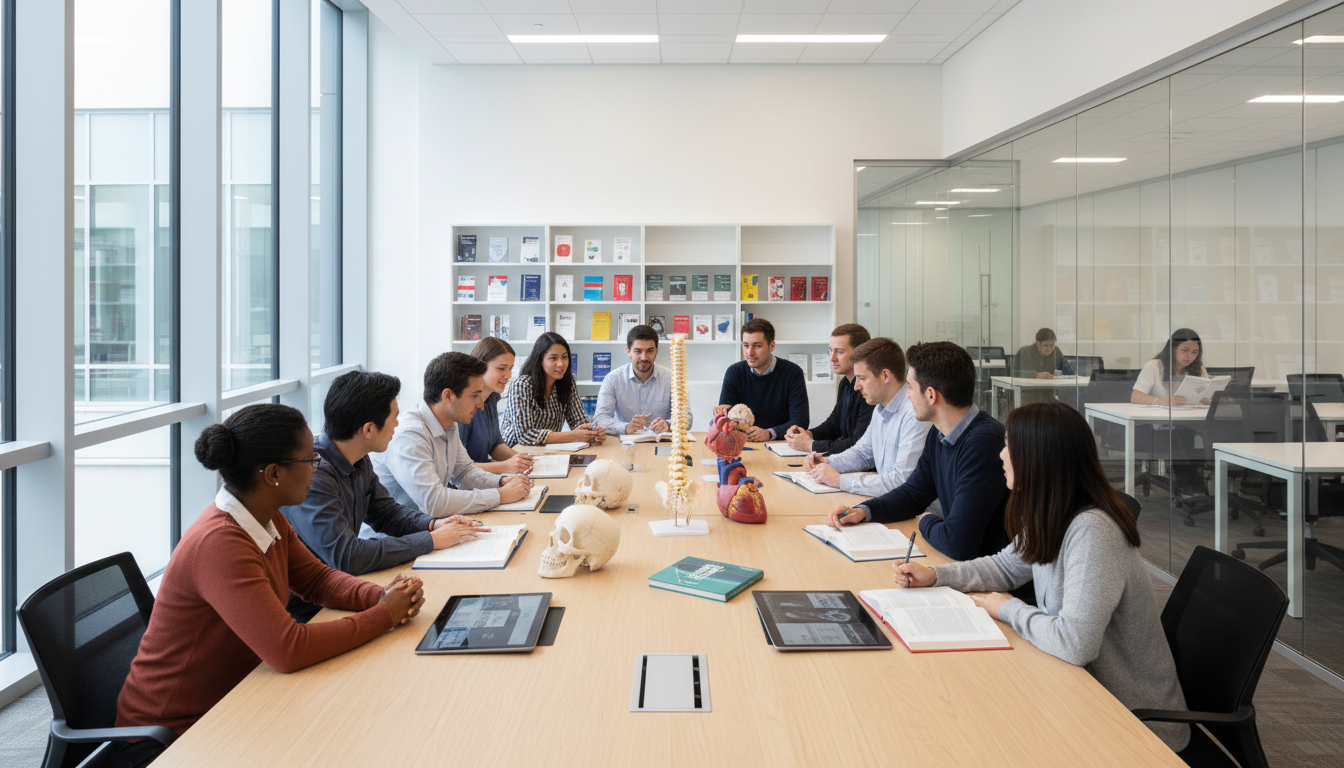
Interprofessional education (IPE) is gaining traction as it fosters collaboration among healthcare professionals. In Sacramento, medical schools are increasingly incorporating IPE into their curricula, allowing students from different disciplines to work together. This approach prepares them for team-based healthcare settings, improving patient outcomes and reducing errors.

Students engage in case studies and simulations that mimic real-world scenarios, promoting communication and problem-solving skills. The focus on teamwork reflects the industry's shift towards integrated care models, where collaboration is key to delivering quality healthcare.
Focus on Community and Cultural Competence
Another emerging trend is the emphasis on community-based learning and cultural competence. Medical schools in Sacramento are encouraging students to participate in community health initiatives, providing care to underserved populations. This hands-on experience enhances their understanding of social determinants of health and prepares them to address diverse patient needs.
Cultural competence training is also integral, equipping future healthcare professionals with the skills to communicate effectively with patients from various backgrounds. Understanding cultural nuances ensures that care is respectful, personalized, and effective.

Flexible Learning Pathways
Recognizing that traditional education models may not suit everyone, institutions are offering flexible learning pathways. Hybrid programs, combining online and in-person instruction, provide students with the convenience to balance their studies with personal and professional commitments.
Additionally, accelerated programs and dual-degree options are becoming more popular, allowing students to tailor their education to their career goals. These pathways not only cater to diverse learning preferences but also expedite the process of entering the workforce.
The Rise of Lifelong Learning
Finally, the concept of lifelong learning is becoming central to medical education in Sacramento. With the healthcare landscape continually evolving, professionals must commit to ongoing education to stay current with the latest developments. Institutions offer continuing education courses and workshops, ensuring that practitioners can update their skills and knowledge throughout their careers.
In conclusion, the trends in medical education and training in Sacramento reflect a broader shift towards innovation, collaboration, and adaptability. By embracing these changes, educational institutions are preparing the next generation of healthcare professionals to meet the demands of an ever-evolving field.