
Expert Tips: Maximizing Success in Blended Learning Environments


Understanding Blended Learning
Blended learning combines traditional classroom methods with modern online educational tools. This approach offers a flexible and personalized learning experience, catering to diverse learning styles. By integrating digital media with face-to-face interaction, educators can enhance engagement and improve learning outcomes.
Leveraging Technology Effectively
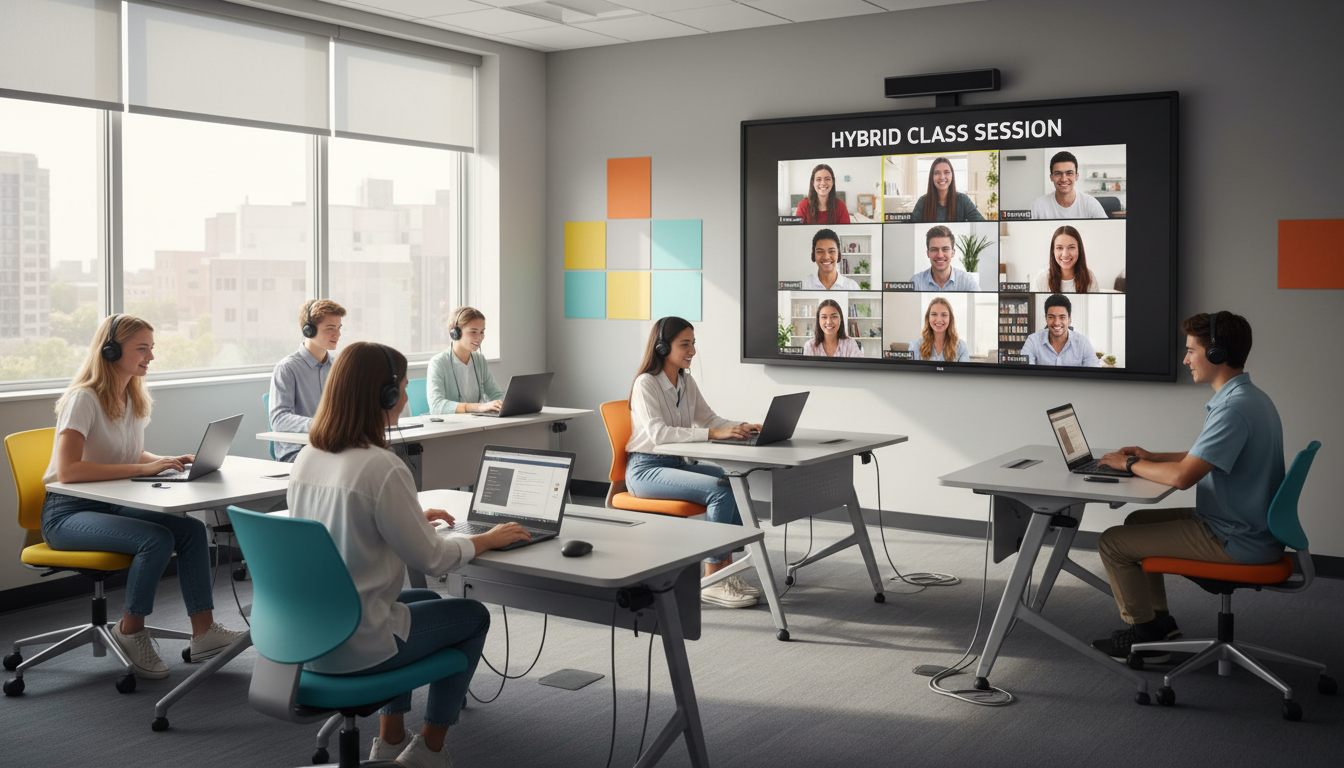
To maximize success in blended learning environments, it's crucial to leverage technology effectively. Choose platforms and tools that align with your learning objectives. Whether using video conferencing, interactive modules, or discussion forums, ensure that the technology enhances the learning experience rather than complicating it.
Moreover, providing training for both instructors and students on using these tools can significantly improve the effectiveness of the blended learning environment. Familiarity with technology leads to a smoother learning process and better outcomes.
Creating Engaging Content
Content is at the heart of any successful educational experience. In blended learning, it's essential to create content that is both engaging and informative. Use multimedia elements such as videos, podcasts, and infographics to cater to different learning preferences.
Interactive Activities
Incorporate interactive activities to foster engagement and participation. These can include quizzes, polls, and discussion boards. Interactive elements not only make learning more enjoyable but also help reinforce the material being taught.
Fostering Communication and Collaboration
Strong communication is vital in blended learning environments. Encourage regular interaction between students and instructors through chat groups, emails, and virtual office hours. This ensures that students feel supported and engaged throughout their learning journey.

Group Projects
Encourage collaboration through group projects and peer reviews. These activities help build a sense of community and enhance critical thinking and problem-solving skills. By working together, students can learn from one another and gain diverse perspectives.
Regular Assessment and Feedback
Regular assessments are crucial for measuring progress and ensuring that learning objectives are being met. Utilize a mix of formative and summative assessments to gauge student understanding and provide timely feedback. This keeps students informed about their progress and areas for improvement.
In addition, feedback should be constructive and actionable, guiding students on how to enhance their performance and achieve their learning goals.
Adapting to Diverse Needs
Finally, one of the key benefits of blended learning is its ability to cater to diverse learning needs. Personalize the learning experience by offering different pathways and resources that accommodate various learning styles and paces.

By understanding and implementing these expert tips, educators can create a dynamic and effective blended learning environment that maximizes student success. The flexibility and adaptability of blended learning make it an invaluable tool in modern education.