
Exploring Innovative Trends in Healthcare Education: What You Need to Know


Introduction to Innovative Trends in Healthcare Education
The landscape of healthcare education is rapidly evolving, driven by technological advancements and a growing demand for skilled professionals. As we navigate this transformation, it's crucial to explore the innovative trends shaping the future of healthcare education. From virtual reality to personalized learning, these developments are redefining how we train healthcare professionals.
Virtual Reality and Augmented Reality
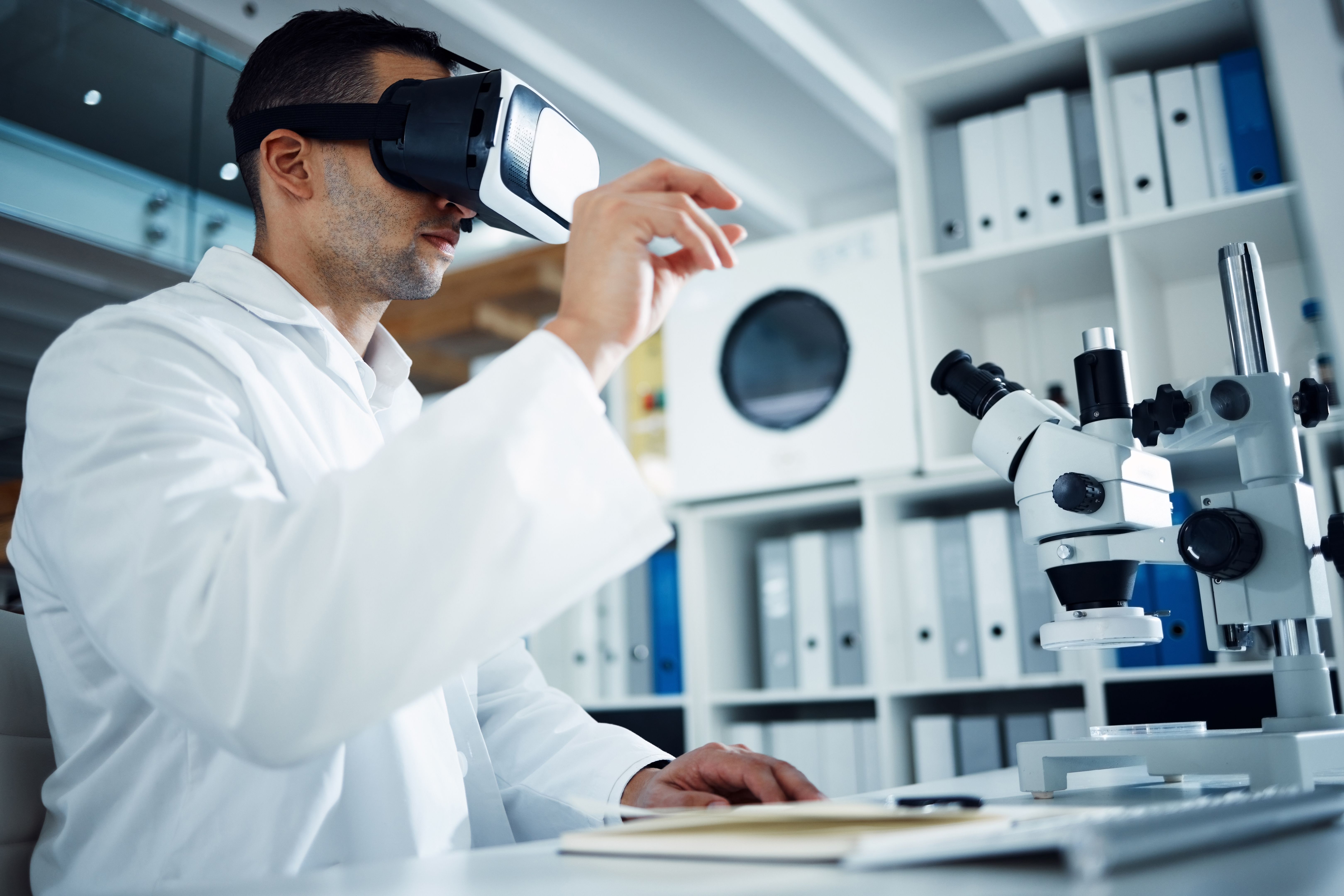
Virtual Reality (VR) and Augmented Reality (AR) are revolutionizing healthcare education by providing immersive learning experiences. These technologies allow students to practice clinical skills in a risk-free environment, enhancing their ability to handle real-world scenarios. By simulating complex medical procedures, VR and AR offer an interactive way to learn that traditional methods cannot match.
Benefits of VR and AR
The integration of VR and AR in healthcare education offers numerous benefits:
- Enhanced Engagement: Interactive simulations make learning more engaging and enjoyable.
- Improved Retention: Immersive experiences help students retain information more effectively.
- Access to Rare Scenarios: Students can experience rare medical cases that they might not encounter during traditional training.
Personalized Learning Paths
Another significant trend in healthcare education is the move towards personalized learning paths. By leveraging data analytics, educational programs can tailor content to meet the individual needs of each student. This approach not only improves learning outcomes but also ensures that students can focus on areas where they need the most improvement.

Data-Driven Insights
Data analytics plays a crucial role in creating personalized learning experiences. By analyzing student performance and feedback, educators can adjust curricula to better suit the learning styles and paces of their students. This customization is particularly beneficial in a field as diverse and complex as healthcare.
Telemedicine and Remote Learning
The rise of telemedicine has not only transformed patient care but also opened new avenues for healthcare education. Remote learning platforms enable students to participate in lectures, discussions, and even clinical training without being physically present. This flexibility is especially valuable in reaching students in remote or underserved areas.
Expanding Access
Remote learning and telemedicine expand access to quality education and training. By removing geographical barriers, more students can pursue careers in healthcare, contributing to a more diverse and well-distributed workforce.

Conclusion
The innovative trends in healthcare education are paving the way for a more dynamic, inclusive, and effective training environment. By embracing technologies like VR, AR, personalized learning, and remote platforms, educators are better equipped to prepare the next generation of healthcare professionals. Staying informed and adaptable will be key to thriving in this ever-evolving landscape.