
The Benefits of Blended Learning for Healthcare Students: A Modern Approach


Introduction to Blended Learning
Blended learning is an educational approach that combines traditional face-to-face instruction with online learning activities. This method is gaining traction in various fields, including healthcare education. By integrating technology with traditional teaching methods, blended learning offers a dynamic and flexible educational experience.
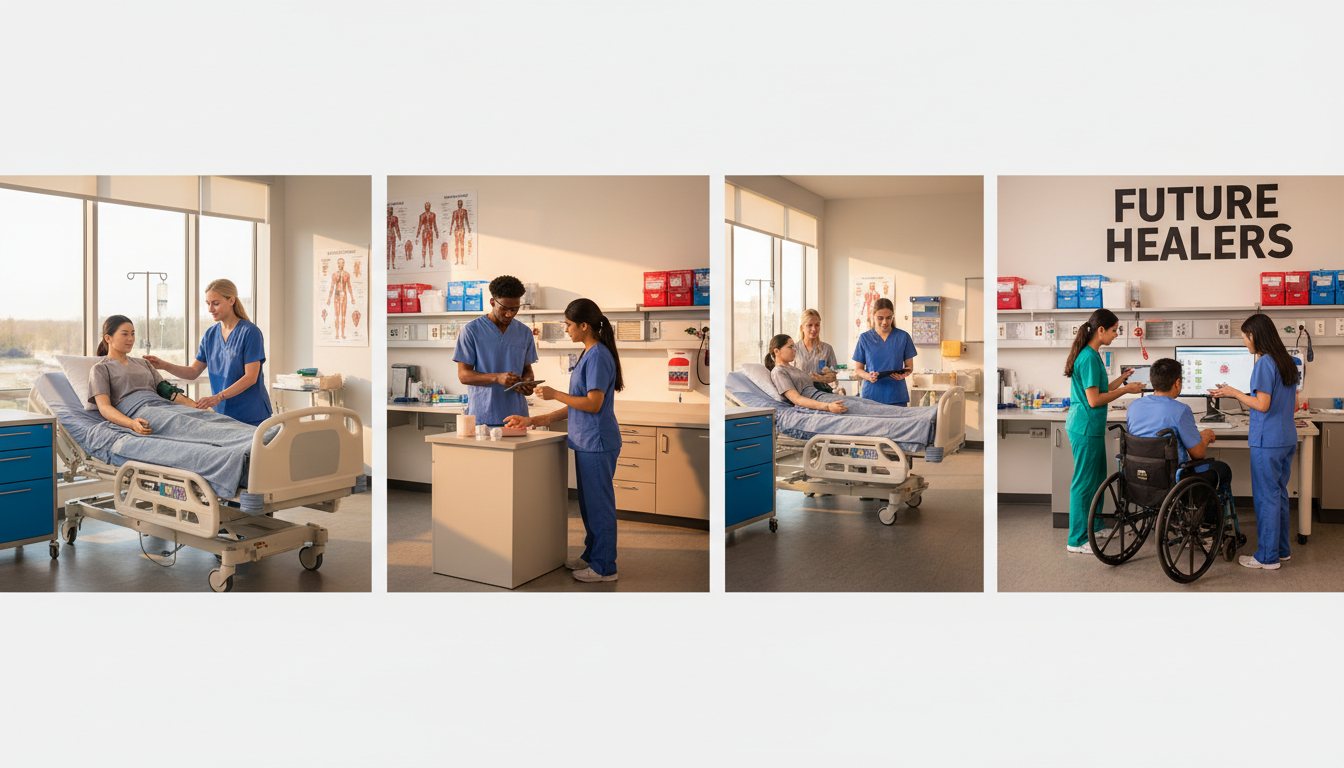
Healthcare students can greatly benefit from this approach due to the complex and ever-evolving nature of the field. Blended learning allows them to gain practical skills while also accessing a wealth of online resources.
Flexibility and Accessibility
One of the most significant advantages of blended learning is its flexibility. Students can access course materials online at their convenience, allowing them to study around their clinical rotations and other commitments. This flexibility is essential for healthcare students who often have demanding schedules.
Moreover, blended learning provides access to a wide range of resources, including videos, interactive modules, and online discussions. This accessibility enables students to learn at their own pace and revisit materials as needed.
Enhanced Engagement and Interaction
Blended learning environments often foster greater student engagement. By incorporating interactive elements such as simulations, quizzes, and discussion forums, students can actively participate in their learning process. This active engagement helps to reinforce theoretical knowledge and apply it to practical scenarios.

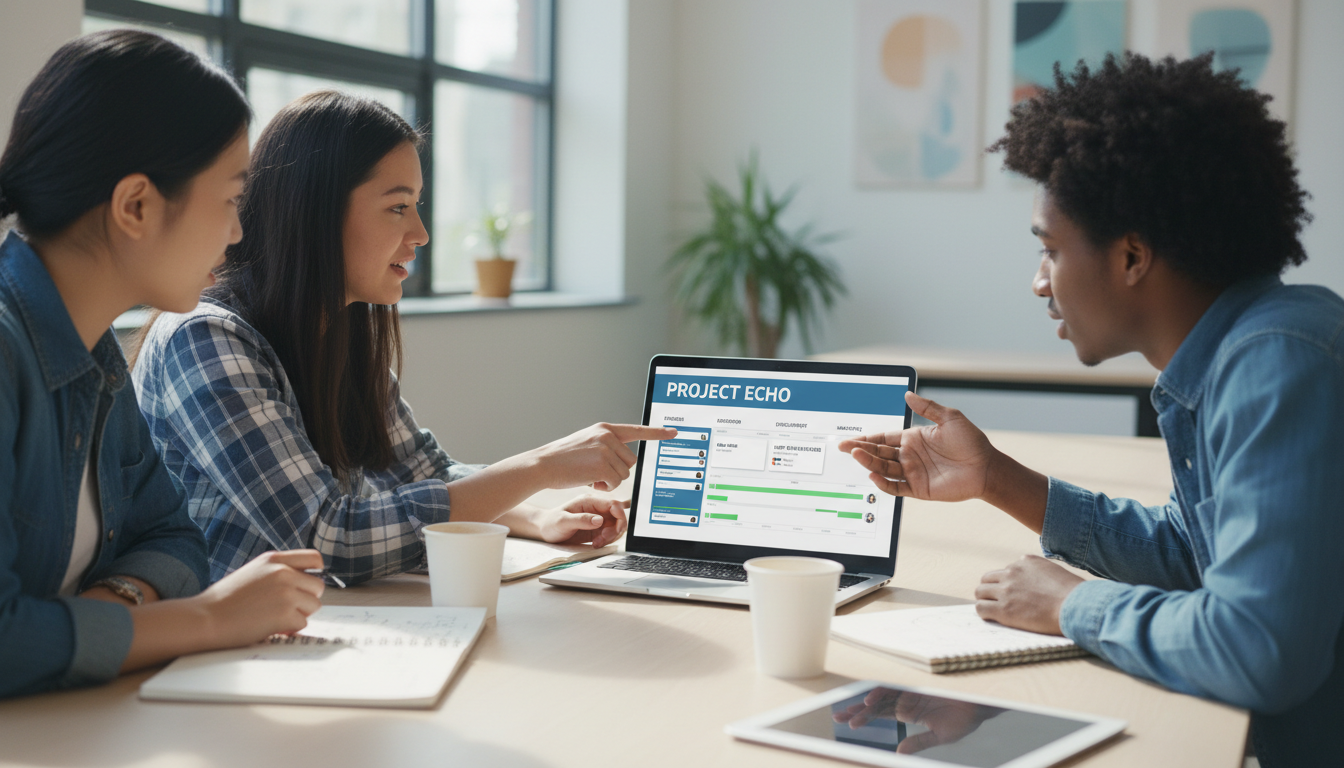
Furthermore, online platforms facilitate collaboration among students. Discussion forums and group projects allow students to share insights and learn from each other, which is crucial in a field that values teamwork and communication.
Development of Essential Skills
Blended learning not only enhances academic knowledge but also helps students develop essential skills such as critical thinking, problem-solving, and time management. These skills are invaluable in the healthcare sector where professionals must often make quick, informed decisions.
- Critical Thinking: Engaging with diverse learning materials encourages students to analyze information critically.
- Problem-Solving: Interactive scenarios and case studies provide opportunities to apply concepts in real-world situations.
- Time Management: Balancing online and offline learning helps students hone their time management skills.
Conclusion: A Modern Approach to Education
Blended learning represents a modern approach to healthcare education, combining the best of traditional and digital methods. By offering flexibility, enhancing engagement, and developing essential skills, this approach prepares students for successful careers in the healthcare industry.
As the healthcare field continues to evolve, the adoption of innovative educational strategies like blended learning will be crucial in training competent and adaptable professionals.