Top Healthcare Training Centers in the US: What Sets Them Apart?


Introduction to Healthcare Training Centers
The United States is home to some of the world's leading healthcare training centers, renowned for their cutting-edge programs and state-of-the-art facilities. These centers play a crucial role in shaping the future of healthcare by providing rigorous education and practical experience. But what truly sets them apart from the rest? In this post, we will explore the unique aspects of top healthcare training centers in the US.
Innovative Curriculum and Teaching Methods
A standout feature of premier healthcare training centers is their commitment to innovation in curriculum design. Institutions like Johns Hopkins University and the Mayo Clinic incorporate the latest medical research and technology into their programs. This ensures that students not only learn the fundamentals but also get hands-on experience with emerging healthcare practices.
Interdisciplinary Learning
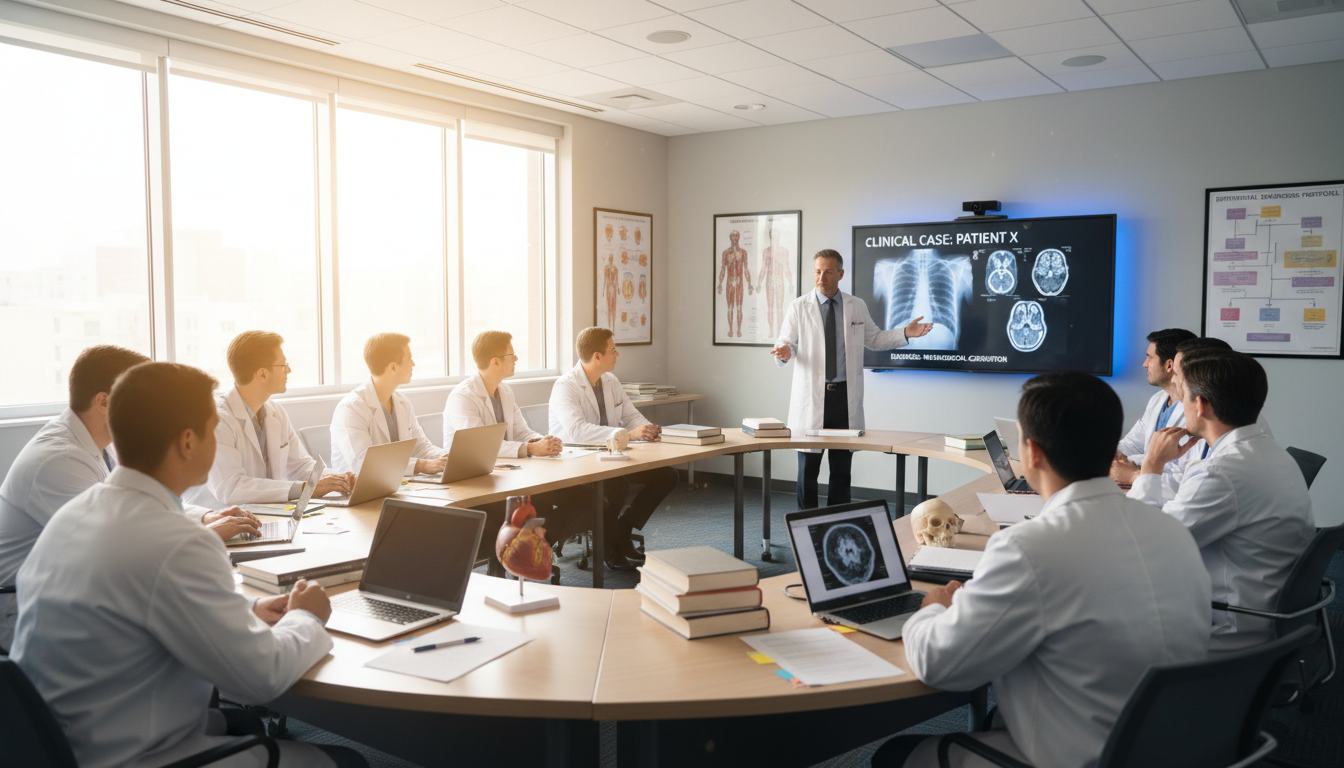
Many top centers emphasize interdisciplinary learning, encouraging students to collaborate across various fields such as medicine, nursing, and public health. This approach fosters a comprehensive understanding of healthcare systems and prepares students to work effectively in diverse environments. For example, the University of Pennsylvania offers programs that integrate business and technology with traditional healthcare education.
State-of-the-Art Facilities
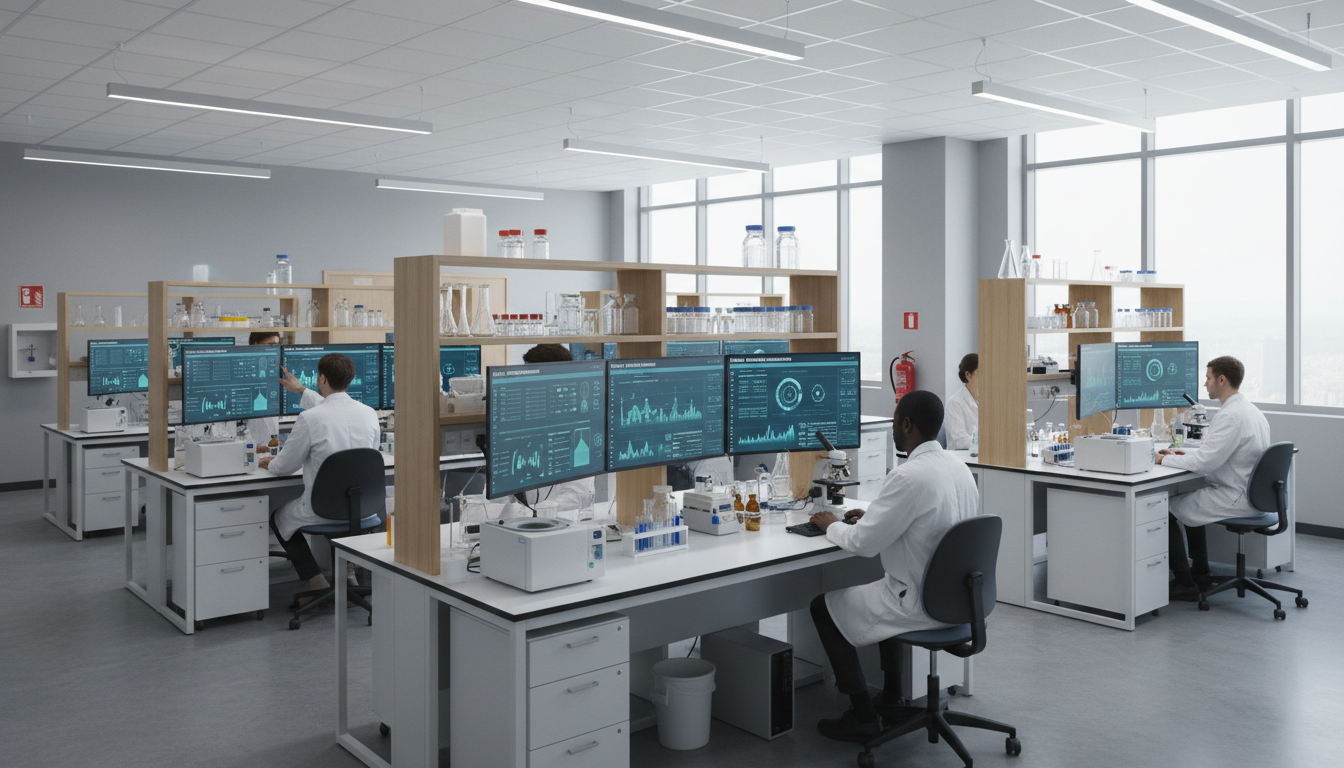
Access to cutting-edge facilities is another key factor that distinguishes leading healthcare training centers. These institutions invest heavily in modern laboratories, simulation centers, and research facilities. Such investments enable students to practice their skills in realistic settings, bridging the gap between theoretical knowledge and practical application.
Simulation-Based Training
Simulation-based training is a hallmark of top healthcare training centers. By using advanced mannequins and virtual reality tools, students can engage in lifelike scenarios that enhance their clinical skills and decision-making abilities. Centers like Stanford University are pioneers in this field, providing students with unparalleled opportunities to practice in a safe and controlled environment.
Experienced Faculty and Mentoring
At the heart of any successful training program is a team of experienced and dedicated faculty. Leading centers attract top professionals who are experts in their fields, ensuring that students receive high-quality instruction and mentorship. Institutions like Harvard Medical School are known for their distinguished faculty who are actively involved in research and clinical practice.

Personalized Mentorship Programs
Personalized mentorship programs are also a significant feature of top centers. These programs provide students with tailored guidance and support, helping them navigate their educational journey and career path. The University of California, San Francisco, offers robust mentorship initiatives that connect students with industry leaders and alumni.
Strong Industry Connections
Lastly, strong ties with the healthcare industry set these centers apart. They maintain partnerships with hospitals, research institutions, and healthcare organizations, providing students with valuable networking opportunities and real-world experience. Such connections often lead to internships and job placements, giving students a competitive edge in the job market.
Collaborative Research Opportunities
Collaborative research opportunities further enhance the learning experience. Students at institutions like Duke University are encouraged to participate in groundbreaking research projects, contributing to advancements in medical science and patient care. This involvement not only enriches their education but also prepares them for future leadership roles.