
How to Prepare for First Aid Training in Sacramento: A Local’s Guide


If you're planning to take a first aid training course in Sacramento, you're making a wise decision. This valuable skill set can make a significant difference in emergency situations. To help you make the most of your training, we've put together a local's guide to preparing effectively.
Understand the Course Requirements
Before enrolling in a first aid course, it's essential to understand the specific requirements. Some courses might have prerequisites such as a CPR certification. Check with the training provider to ensure you meet all necessary criteria. This step will save you time and ensure a smooth learning experience.
Additionally, familiarize yourself with the course outline. Knowing what topics will be covered helps you prepare mentally and focus on areas where you may need extra attention.
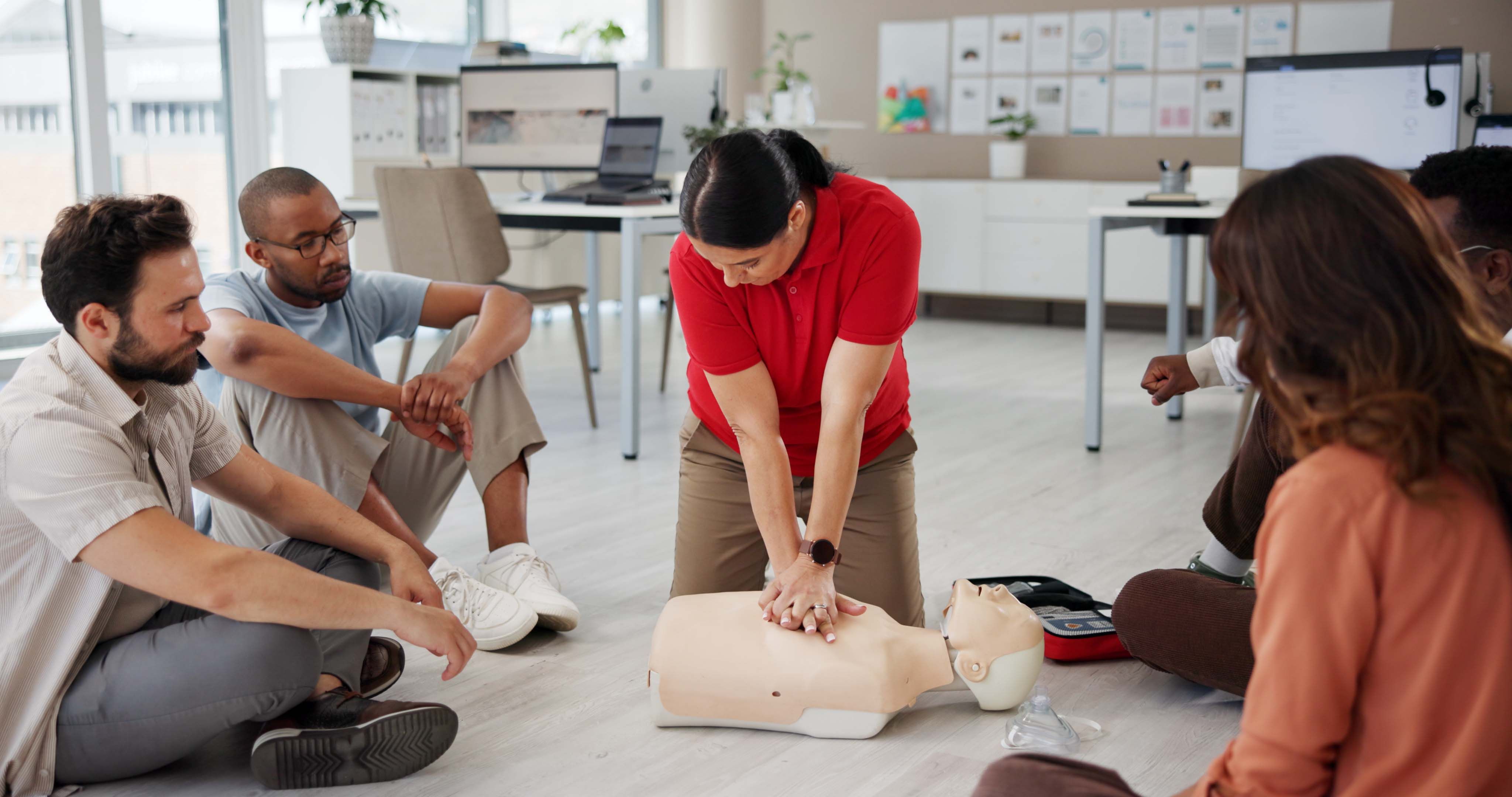
Choose the Right Training Center
Sacramento offers several reputable first aid training centers. Look for ones that are accredited and have experienced instructors. Reviews and testimonials from past participants can provide insights into the quality of the training. Consider factors like class size and duration to ensure they fit your schedule and learning preference.
Location is also crucial. Opt for a center that is easily accessible, whether it's close to home or work. This convenience can make attending classes more manageable and reduce stress.
Gather Necessary Supplies
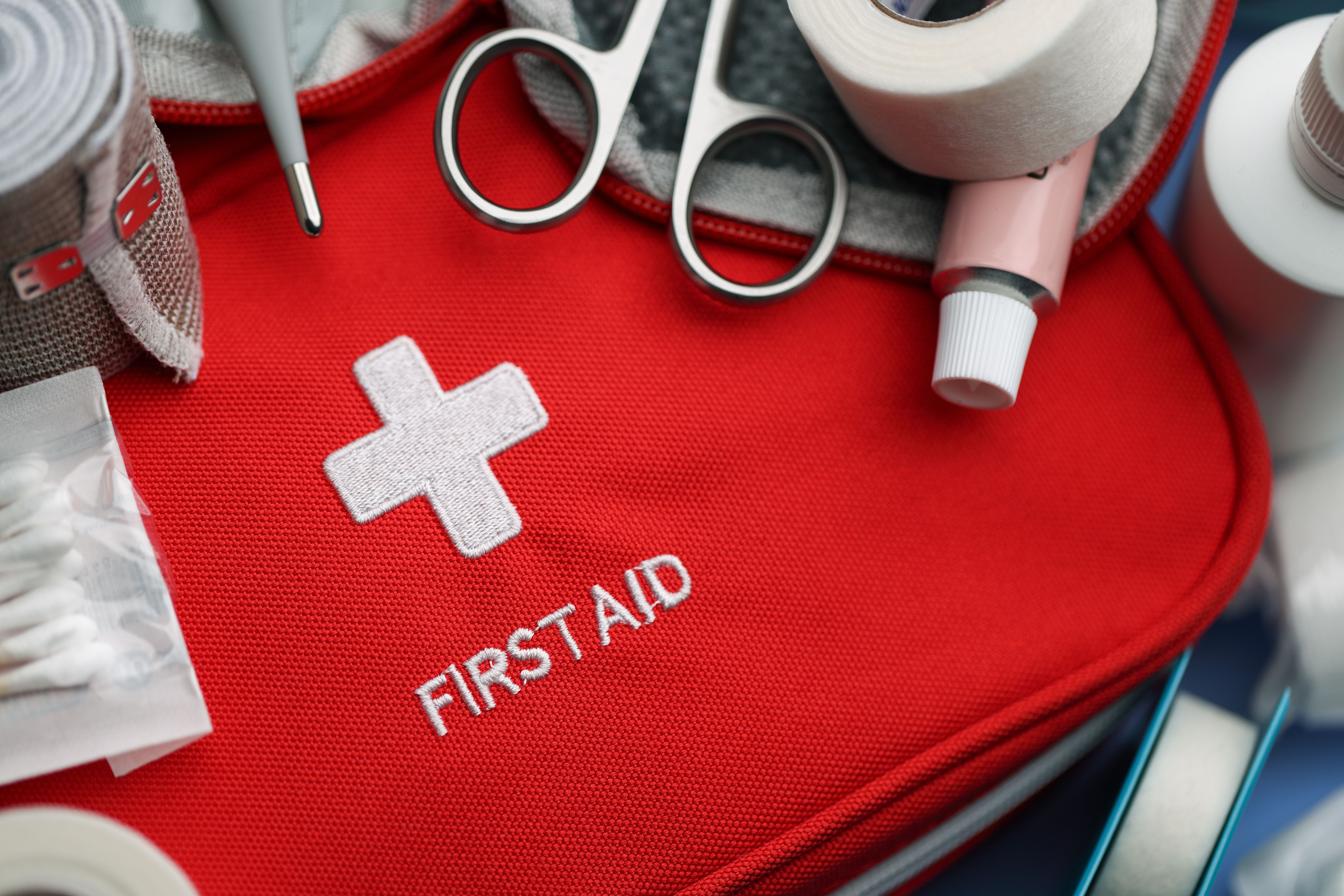
While most training centers provide materials, it's a good idea to bring a few personal supplies. A notebook and pen for taking notes are essential. You might also want to bring a water bottle and snacks to stay hydrated and energized during the session.
Wearing comfortable clothing is important, as many first aid drills involve physical activity. Choose attire that allows you to move freely and participate fully in all practical exercises.
Brush Up on Basic Knowledge
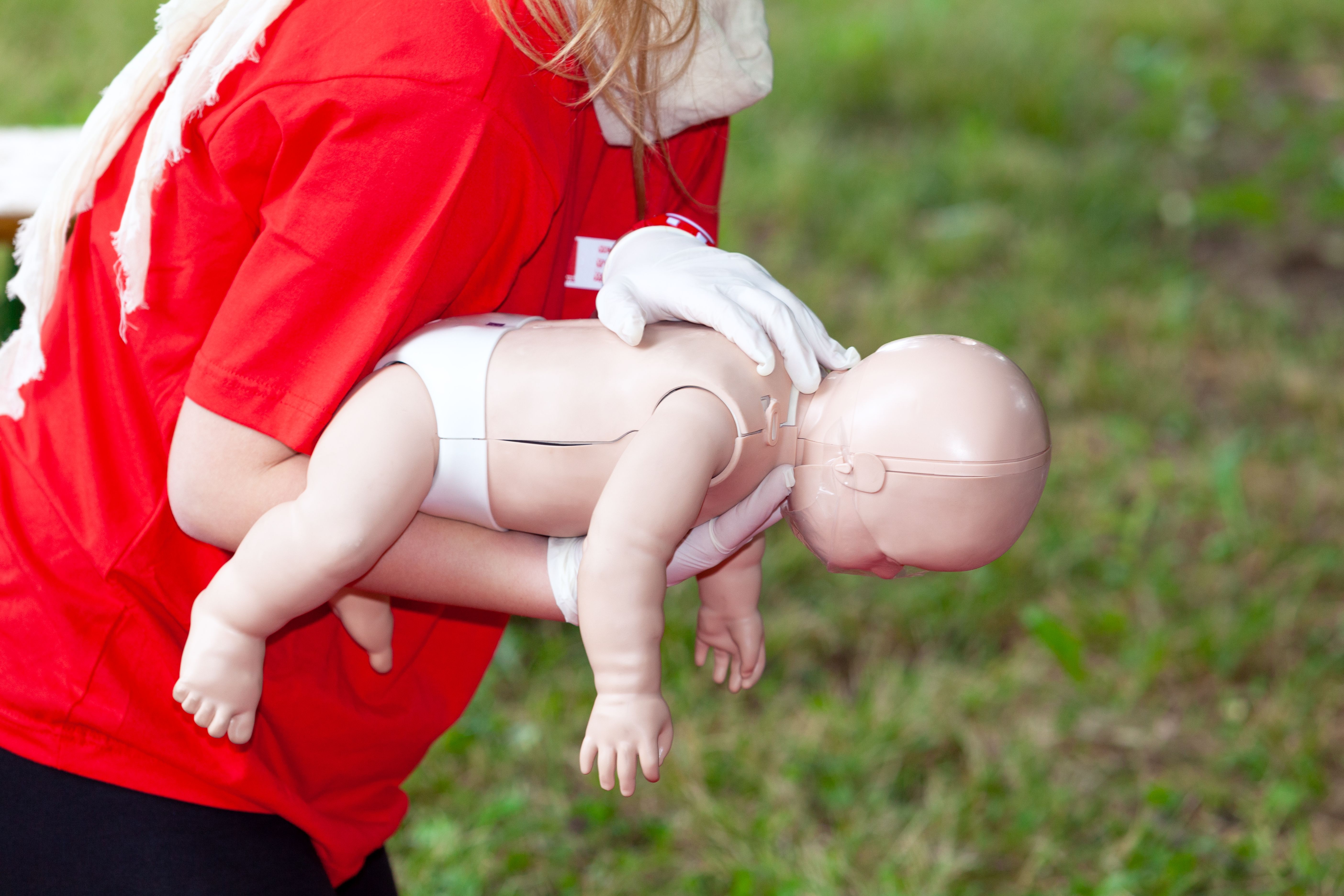
Refreshing your knowledge of basic first aid concepts can give you a head start. Consider reviewing online resources or watching instructional videos. Understanding terms like CPR, AED, and the Heimlich maneuver can make the training process smoother.
Another effective way to prepare is by discussing first aid scenarios with friends or family. This can help reinforce your understanding and boost your confidence.
Set Clear Learning Goals
Before starting your course, set clear learning goals. Determine what you hope to achieve by the end of the training. Whether it's gaining confidence in emergency situations or learning specific techniques, having goals will keep you motivated.
After completing the course, evaluate whether you've met your objectives. This reflection can help you identify any areas needing further practice or study.
Stay Open and Engaged
Finally, approach your training with an open mind and a willingness to learn. Engage actively with your instructors and fellow participants. Asking questions and sharing experiences can enrich the learning process and make it more enjoyable.
Remember, the skills you gain from this training can make a life-saving difference. Embrace the opportunity to learn and grow, and you'll walk away more prepared to handle emergencies in your community.