
Top Trends in Medical Education: What Sacramento Students Need to Know


Embracing Technology in Medical Education
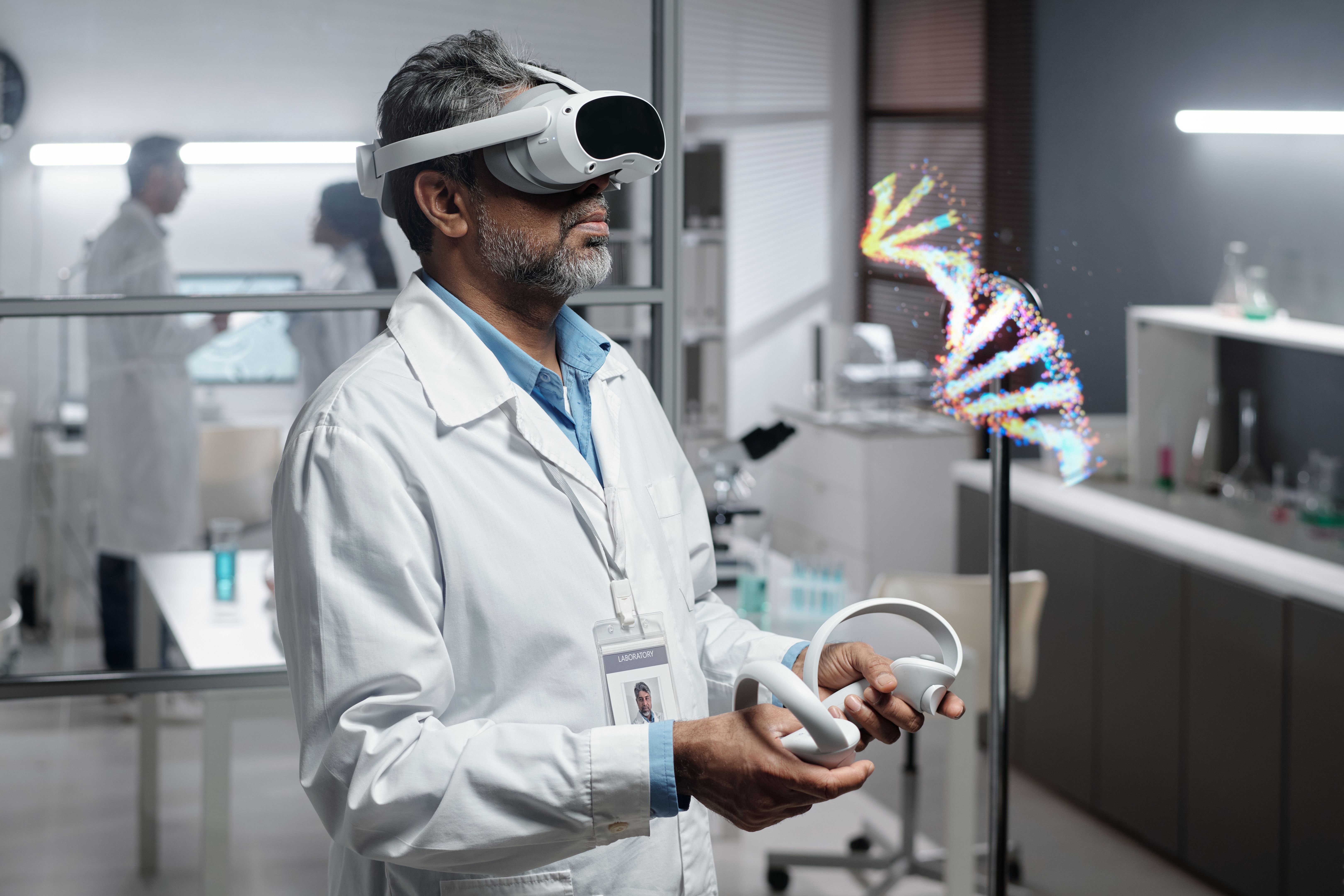
The landscape of medical education is rapidly evolving, driven by technological advancements. Virtual reality (VR) and augmented reality (AR) are transforming how students learn by providing immersive experiences that enhance understanding of complex medical concepts. These technologies allow students to practice surgical procedures and patient interactions in a risk-free environment, significantly improving their skills.
Another technological trend is the use of artificial intelligence (AI) in medical education. AI-powered tools can analyze vast amounts of medical data, offering students insights into patient care and treatment options. This not only helps in developing critical thinking skills but also keeps students updated with the latest medical research and findings.
Interdisciplinary Learning Approaches
As the medical field becomes increasingly interconnected, there is a growing emphasis on interdisciplinary learning. Collaborating with professionals from other fields such as engineering, information technology, and social sciences allows medical students to gain a broader perspective. This holistic approach prepares them to tackle complex healthcare issues with innovative solutions.
Medical schools in Sacramento are integrating interdisciplinary courses into their curricula, encouraging students to work on projects with peers from diverse backgrounds. This collaboration fosters creativity, enhances problem-solving skills, and better prepares students for real-world challenges.

Personalized Learning and Flexibility
Personalized learning is becoming a cornerstone of medical education. With the help of adaptive learning platforms, students can tailor their education to suit their individual needs and learning styles. These platforms track progress and provide customized resources, ensuring that students can focus on areas where they need the most improvement.
This trend towards personalized education also includes more flexible learning schedules. Online courses and hybrid models allow students to balance their studies with other commitments, making medical education more accessible to a diverse range of learners.
Focus on Mental Health and Wellbeing
The importance of mental health in medical education cannot be overstated. Recognizing the pressure that comes with medical training, schools are now offering more support services to help students manage stress and maintain their wellbeing. Initiatives such as counseling services, mindfulness workshops, and peer support groups are becoming integral parts of the educational experience.

These programs not only help students cope with the demands of their education but also prepare them to support their future patients' mental health needs. This emphasis on wellbeing is a crucial component of training compassionate and effective healthcare professionals.
Global Health Perspectives
With the world becoming more interconnected, understanding global health issues is essential for future medical professionals. Sacramento students are increasingly exposed to global health perspectives through exchange programs, international collaborations, and online global health courses.
This exposure equips students with the knowledge and skills to address health challenges that transcend borders, making them more versatile and adaptable in their careers. By understanding diverse healthcare systems, students can contribute to improving health outcomes both locally and globally.